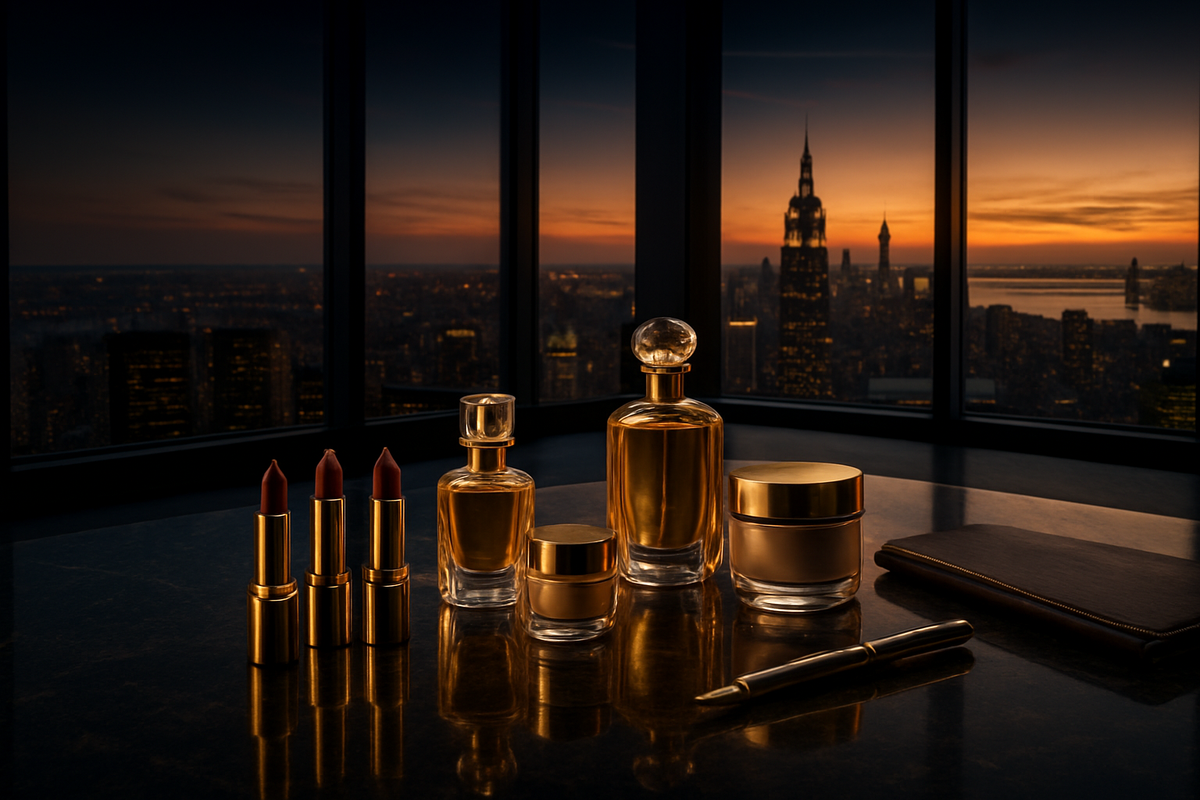
The global luxury landscape is bracing for its most significant transformation in decades as the founding families of The Estée Lauder Companies (NYSE: EL) and the Spanish beauty titan Puig Brands S.A. (BME: PUIG) meet in New York this week to finalize terms of a merger valued at approximately $40 billion. The high-stakes negotiations, taking place at the Lauder family’s Manhattan offices, aim to unite two of the world’s most iconic beauty dynasties into a singular, powerhouse entity capable of challenging the industry-leading dominance of L’Oréal.
The immediate implications of this deal are staggering. By combining Estée Lauder’s heritage in high-end skincare and makeup with Puig’s explosive growth in the prestige fragrance and niche beauty sectors, the new group—tentatively referred to as "Lauder-Puig Global"—would control a portfolio of brands that includes Clinique, La Mer, Charlotte Tilbury, and Rabanne. For investors, the merger represents a desperate yet bold pivot for Estée Lauder, which has spent the last 18 months navigating a painful restructuring following a $1.13 billion loss in fiscal 2025.
A Family Pact in the Heart of Manhattan
The road to this $40 billion valuation began in late March 2026, when both companies officially acknowledged they were exploring a "strategic combination." The timeline of events accelerated rapidly as the Lauder family sought a definitive solution to years of underperformance in the Asian travel retail sector and a sluggish recovery post-pandemic. The meetings occurring today, April 7, 2026, in New York, are the culmination of months of clandestine discussions held across Barcelona, Paris, and New York. Key players at the table include William Lauder, Chairman of Estée Lauder, and Marc Puig, the Executive Chairman of Puig, who is reportedly slated for a significant leadership role in the combined entity.
Initial market reactions have been sharply divided. Shares of Estée Lauder fell nearly 15% upon the initial leak of the talks, as analysts questioned the complexity of merging two distinct corporate cultures and the massive integration risks involved. Conversely, Puig’s stock rose 11% on the Bolsa de Madrid, with investors cheering the prospect of the Spanish firm gaining immediate access to Estée Lauder’s deep-rooted distribution infrastructure in the United States and China. The deal is expected to be structured primarily as a stock-for-stock swap, which would leave the Puig family as a dominant minority shareholder, holding an estimated 20% stake in the newly formed conglomerate.
Winners and Losers in the Premium Beauty Arms Race
The primary "winner" in this scenario, at least strategically, appears to be Puig. The Spanish firm has been on a meteoric rise since its 2024 IPO, and this merger allows it to bypass a decade of organic growth to become a global leader in skincare—a category where it has historically been underweight. By absorbing Estée Lauder’s research and development capabilities, Puig brands like Byredo and Dries Van Noten could see a rapid expansion into the science-backed skincare market, which remains the highest-margin segment of the industry.
For Estée Lauder, the merger is a survival play. Having been battered by declining sales and internal family friction—most notably between Jane Lauder and the current leadership following the 2025 appointment of CEO Stéphane de La Faverie—the company is in dire need of the "entrepreneurial spark" that Puig has demonstrated with brands like Charlotte Tilbury. However, the risk of "losing the soul" of the Lauder heritage remains a significant concern for long-term shareholders. Competitors like L'Oréal (PARIS: OR) and Coty Inc. (NYSE: COTY) may find themselves in a defensive position, potentially sparking a new wave of consolidation as they seek to protect their market share in the fragrance and prestige makeup categories.
Redefining the Luxury Landscape: Scale and Strategy
This merger fits into a broader industry trend where "size is the only defense" against shifting consumer habits and the rising cost of digital marketing. The prestige beauty market is no longer just about department store counters; it is a battle for visibility on social commerce platforms and dominance in the rapidly growing fragrance category. By joining forces, the combined entity will have an annual revenue exceeding $20 billion, giving it unprecedented bargaining power with retailers like Sephora—owned by LVMH (PARIS: MC)—and Ulta Beauty (NASDAQ: ULTA).
Historically, the beauty industry has seen massive deals, such as Coty’s $12 billion acquisition of P&G’s specialty beauty business in 2016, but many of those failed to deliver on synergies. The Lauder-Puig merger is different because it unites two family-controlled entities that prioritize long-term brand equity over short-term quarterly gains. However, regulatory scrutiny is expected to be intense. Antitrust authorities in both the European Union and the United States will likely examine the combined group’s dominance in the "prestige fragrance" segment, where a combined portfolio of Tom Ford, Jo Malone, and Jean Paul Gaultier could face calls for divestiture to maintain competition.
The Path Forward: Integration and the NYSE Listing
As the families hammer out the final exchange ratios, the focus is shifting toward the planned primary listing on the New York Stock Exchange. This move is designed to provide the new group with the deepest possible pool of capital and liquidity. There are also ongoing negotiations with Spanish regulators to maintain a secondary listing in Madrid to appease the Puig family’s domestic stakeholders and ensure the company remains a "national champion" in Spain.
In the short term, the market will be looking for a clear integration roadmap. The first 100 days post-merger will be critical as Stéphane de La Faverie and Marc Puig attempt to harmonize two very different supply chains and corporate hierarchies. The long-term success of the deal will depend on whether the "NewCo" can rejuvenate the Estée Lauder flagship brand while maintaining the high-growth trajectory of Puig’s "niche" portfolio. Investors should anticipate a period of high volatility as the "Beauty Reimagined" cost-cutting plan at Lauder is merged with Puig's aggressive expansion strategy.
Final Assessment: A New Era for Global Beauty
The potential merger between Estée Lauder and Puig marks the end of an era and the beginning of a consolidated future for luxury beauty. If successful, it creates a formidable challenger to the L'Oréal throne and secures the legacies of two of the most influential families in retail history. The deal acknowledges a hard truth: in the 2026 market, even the most prestigious brands cannot stand alone against the twin pressures of a slowing Chinese economy and the rise of agile, digitally-native competitors.
For the market, this is a defining moment. Investors should watch closely for the official announcement of the board structure and any potential divestitures required by regulators in the coming months. As the meetings in New York conclude, the beauty industry may be waking up to a new world order—one where the Spanish sun and the New York skyline have finally aligned.
This content is intended for informational purposes only and is not financial advice.