SAN FRANCISCO, Jan. 20, 2026 (GLOBE NEWSWIRE) -- Brain training reached a turning point in 2025, after years of accumulating evidence snowballed into an avalanche of scientific validation. A surge of new research about the brain exercise app BrainHQ has helped erode skepticism, following a record-breaking 70 peer-reviewed publications in science and medical journals in 2025. That volume reflects more than momentum; it signals an emerging consensus, according to Posit Science, the maker of BrainHQ.
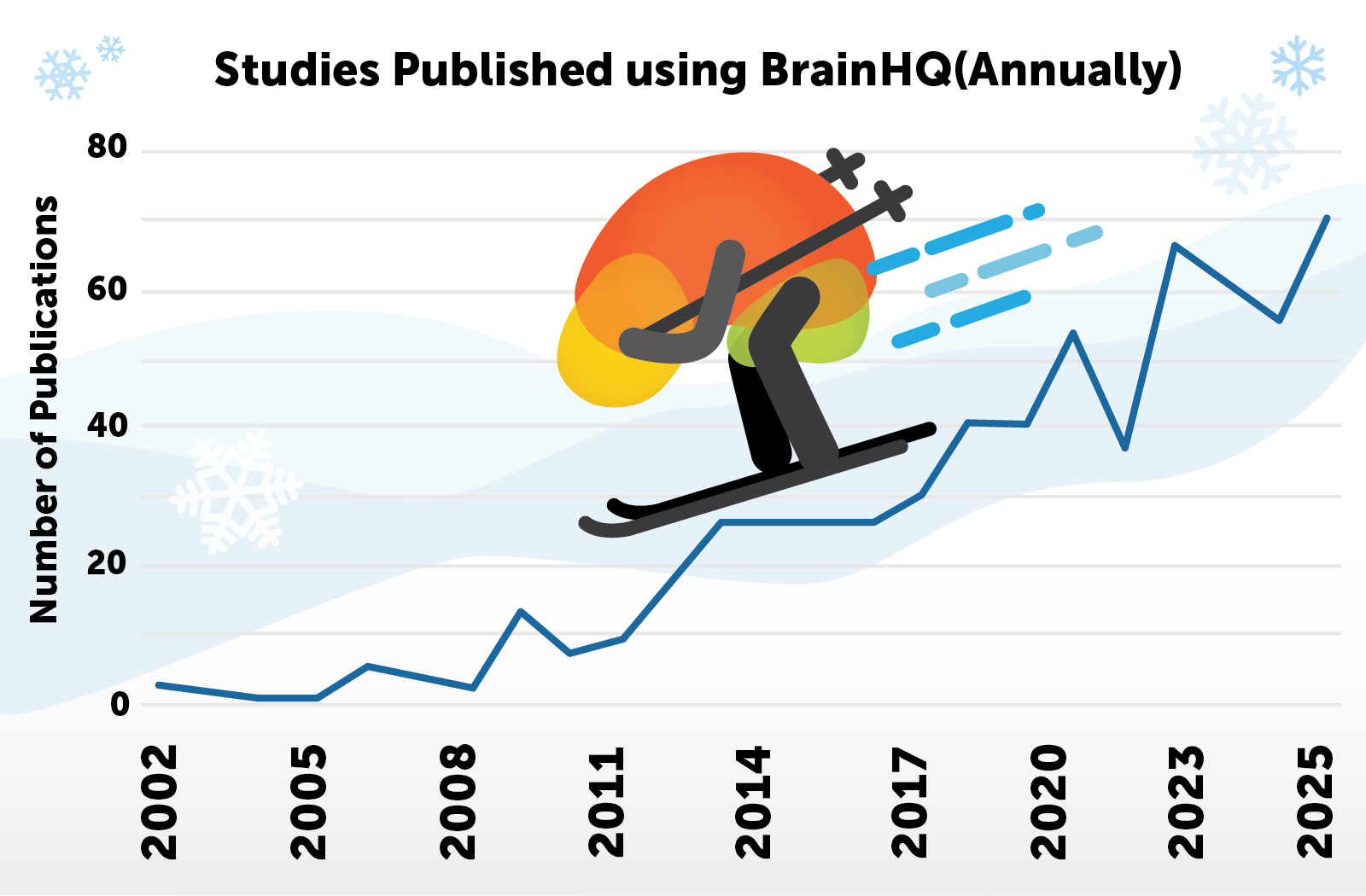
Notable publications from 2025 include breakthrough studies demonstrating benefits of BrainHQ in cognitive aging and neurodegenerative conditions, uncovering the underlying biochemical mechanism behind those gains, and showing how BrainHQ strengthens cognitive resilience in the face of brain health stressors.
“Thousands of scientists were involved in designing, testing, and validating the exercises and assessments in BrainHQ over the past two decades, and we are grateful to the entire global team,” said Dr. Henry Mahncke, CEO of Posit Science. “Apparently, 2025 was the year we ‘crossed the chasm’ — the evidence has grown so large that independent reviews are increasingly reaching the same conclusion: these exercises work.”
Reviews and Meta-Analyses
In 2025, 16 meta-analyses and reviews cited many BrainHQ studies in drawing larger conclusions about cognitive training, including for example:
- A meta-analysis in The Lancet, which analyzed the relative efficacy of different lifestyle adjustments on global cognition in older adults, and found cognitive training was the most effective single lifestyle intervention.
- A systematic review of studies in pre-dementia, which found that cognitive training significantly improved global cognition.
- A comprehensive and systematic review of mobile cognitive training apps, which judged those apps and gave BrainHQ the top score of all apps surveyed.
Cognitive Training Studies
Beyond reviews, dozens of studies using BrainHQ exercises were published about BrainHQ’s impact on cognition, psychological resilience, physical health, biochemical brain health and other topics, including:
- A widely covered neuroimaging study which showed that BrainHQ training is the first intervention of any kind to upregulate the production of acetylcholine (the “pay attention” chemical, known to downregulate with aging and plummet with dementia) — with only 10 weeks of training showing a gain researchers said was equivalent to about a decade of rejuvenation and proposed as the biochemical mechanism for BrainHQ’s efficacy. These results triggered NIA funding of a follow-on study in pre-dementia, to see if it might alter the course of decline.
- A large, multidomain lifestyle modification trial, the US POINTER study sponsored by the Alzheimer’s Association, which deployed BrainHQ as the cognitive training alongside a modified Mediterranean Diet and physical exercise, found significant improvement in global cognition.
- Studies on fatigue and stress, respectively, among patients with multiple sclerosis and among caregivers of dementia patients,
- A study among active-duty military, which showed BrainHQ (on its own and in combination with SMART® Training) improved multiple measures of cognitive resilience — a critical health and readiness priority of the US military.
Assessment Studies
Even though BrainHQ exercises track progress across multiple cognitive domains, an important component of any long-term brain health strategy depends on ongoing, scalable monitoring that can be done anytime, anywhere. BrainHQ has developed, normed, and validated dozens of specialized cognitive assessments. These self-administered assessments take as little as three minutes and can be combined into customized cognitive batteries tailored to different needs.
In 2025, six studies of BrainHQ assessments were published, notably including:
- A breakthrough approach, using a 3-minute digital assessment to provide a quick scientific estimate of acetylcholine levels, without the need for the special expertise, materials, and imaging equipment to measure acetylcholine.
- Another novel digital assessment developed to provide a valid scientific measure of the executive function abilities of older adults, related to living independently.
- A study of BrainHQ’s short UFOV® assessment among long haul truck drivers, which showed assessment results corresponded with findings from a much longer assessment in a driving simulator.
More than 100 additional studies of BrainHQ are currently underway.
BrainHQ exercises and assessments have shown benefits in more than 300 peer-reviewed studies. Such benefits include gains in cognition (attention, speed, memory, decision-making), in quality of life (depressive symptoms, confidence and control, health-related quality of life) and in real-world activities (health outcomes, balance, driving, workplace activities). BrainHQ is used by leading health plans, medical centers, clinics, and communities, and by elite athletes, the military, and other organizations focused on peak performance and resilience. Consumers can try a free BrainHQ exercise daily at https://www.brainhq.com.
A photo accompanying this announcement is available at https://www.globenewswire.com/NewsRoom/AttachmentNg/f44866a6-8526-42f9-b895-9cbadc2cc683

Contact: media@brainhq.com