(BPT) - By Ned Monroe
It happens so often we hardly notice: Head to the kitchen, grab a glass from the cabinet, fill it with water from the faucet.
Tap water is one of many conveniences of modern everyday life that we rarely, if ever, think about. And that's by design - thanks to years of technological innovation before many of us were even born.
Behind the walls and under the streets, networks of PVC and CPVC water pipes quietly exist to safely and efficiently transport clean water from treatment plants to our taps.
Here's how it's done.
The science behind PVC
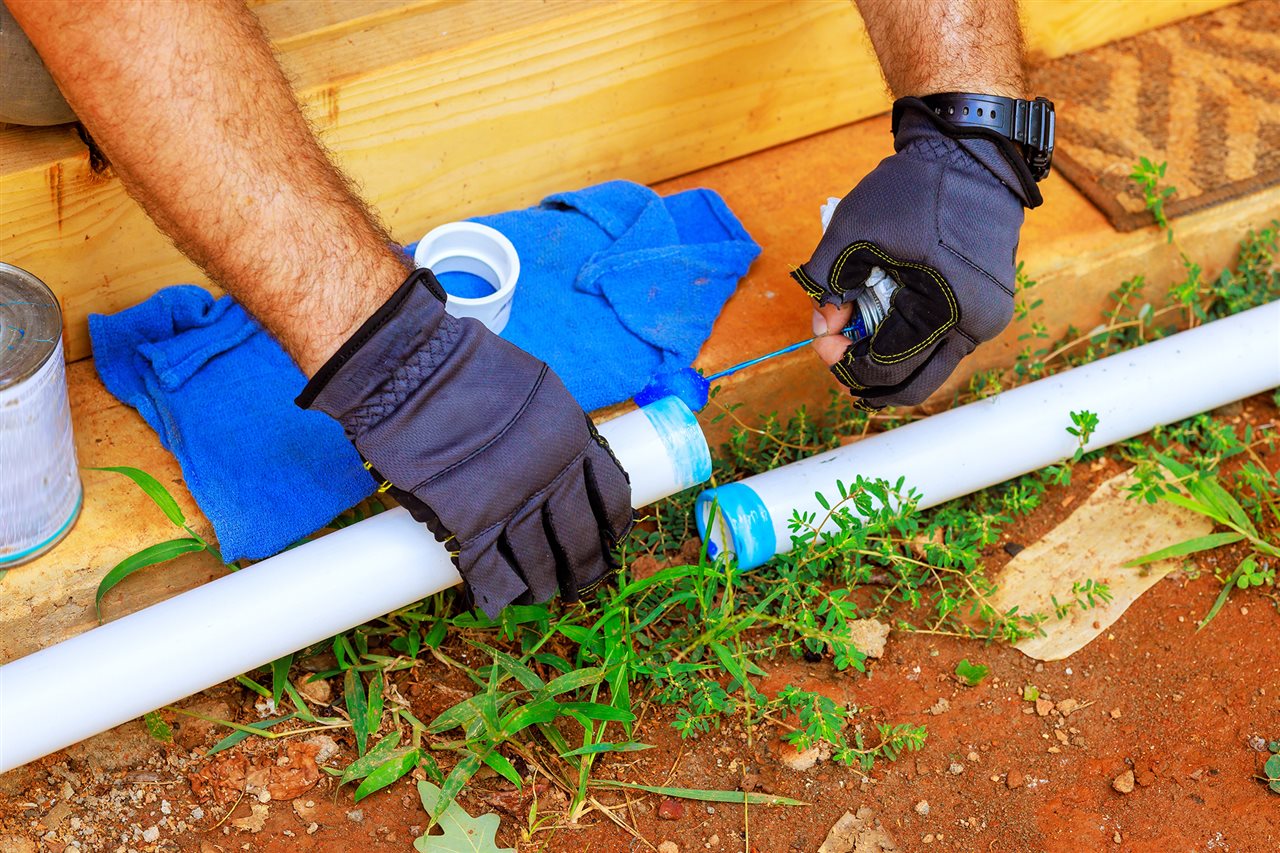
PVC pipes may look simple, but they're backed by a lot of science.
PVC is a widely used plastic that serves as the foundation for many products people encounter every day. It begins with two primary building blocks: chlorine derived from common salt and ethylene from natural gas. The material can then be formulated for different applications, including durable water pipes, flooring and vinyl records. There are several different types of PVC pipes, with each made to meet the performance needs of each specific use, like small-diameter CPVC pipes supplying drinking water in your home or the large blue or teal-colored pipes carrying water from the town to neighborhoods.
So what does it all mean?
All of that manufacturing, developed and engineered and innovated over decades, is what makes your PVC pipes something you don't have to think about much.
- Safe for drinking water: All pipes used for drinking water, including PVC pipes, must meet NSF/ANSI 61, a rigorous international standard established using exhaustive testing methods to ensure the safety of clean drinking water. Manufacturer certification of PVC pipe to NSF/ANSI 61 means that it is safe for use in drinking water piping applications - and has been for decades.
- Long-lasting, durable and reliable: Unfortunately, communities across the U.S. lose an estimated 6 billion gallons of treated water a day to pipe breaks, leaks and aging infrastructure, according to a 2021 report by the American Society of Civil Engineers. PVC pipe is providing an ideal solution: Properly installed, PVC pipes are engineered for long-term service and are widely recognized for their durability and resistance to corrosion. Studies of water infrastructure have found that PVC pipes can provide reliable service for many decades, contributing to their widespread use in drinking water and wastewater systems. In fact, a series of reports, the most recent in 2023, on water main breaks in the U.S. and Canada by Utah State University found that PVC pipe has the lowest overall failure rate compared to three other commonly used pipe materials.
- A sustainable pipe choice: Communities that choose PVC for its durability also reap the benefits of a smaller carbon footprint for their infrastructure. When evaluated on a life cycle and carbon footprint perspective, PVC pipe has lower environmental impacts - lower embodied energy, lower use-phase energy and longer life attributes - compared to pipe used in similar applications made from materials like iron, cement and clay. When considering the impacts throughout the product life cycle, PVC pipes use much less energy to manufacture and transport, and they can operate for more than a century and need fewer replacements over their lifetime. (A Life Cycle Assessment of PVC Water and Sewer Pipe is available here.)
In addition, it takes up to 54% more energy to pump water through an 8-inch ductile iron pipe than it does through an 8-inch PVC pipe during the life of the system, because PVC's surface remains smooth throughout.
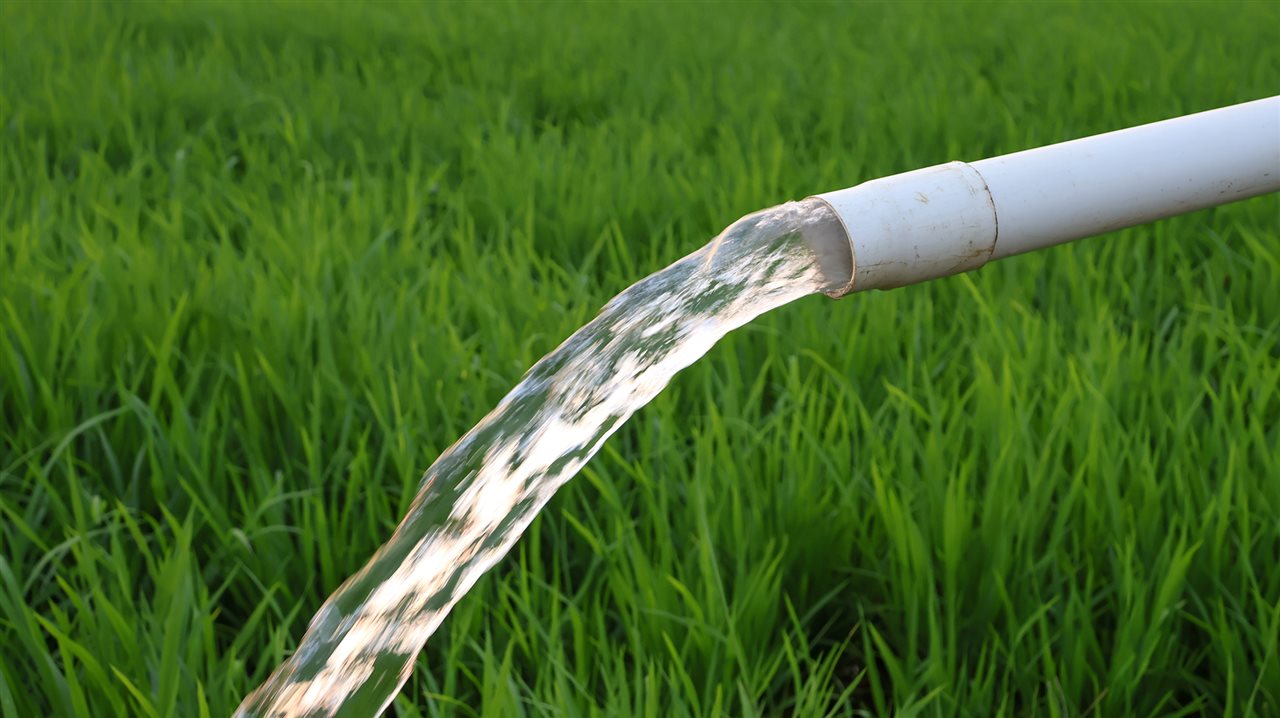
Beneath our streets and behind your walls, PVC pipes are silently humming along, faithfully bringing safe drinking water to your home's tap. Thanks to science and modern manufacturing, it's another everyday convenience that makes our lives a bit easier.
Learn more about PVC pipe and other vinyl products you use every day at www.vinylinfo.org. Download the Plastic Pipe and Fittings Association's PVC Piping Features & Benefits fact sheet here.
Ned Monroe is CEO of the Vinyl Institute.