The Victims' Recovery Law Center helps sexual assault survivors pursue civil accountability against businesses, institutions, and property owners whose negligence enabled preventable harm beyond the criminal justice system.
PHILADELPHIA, PA / ACCESS Newswire / May 13, 2026 / For survivors of sexual assault, the criminal justice system is only one path to justice, and often an incomplete one. The Victims' Recovery Law Center is helping survivors pursue a different form of accountability through civil litigation.
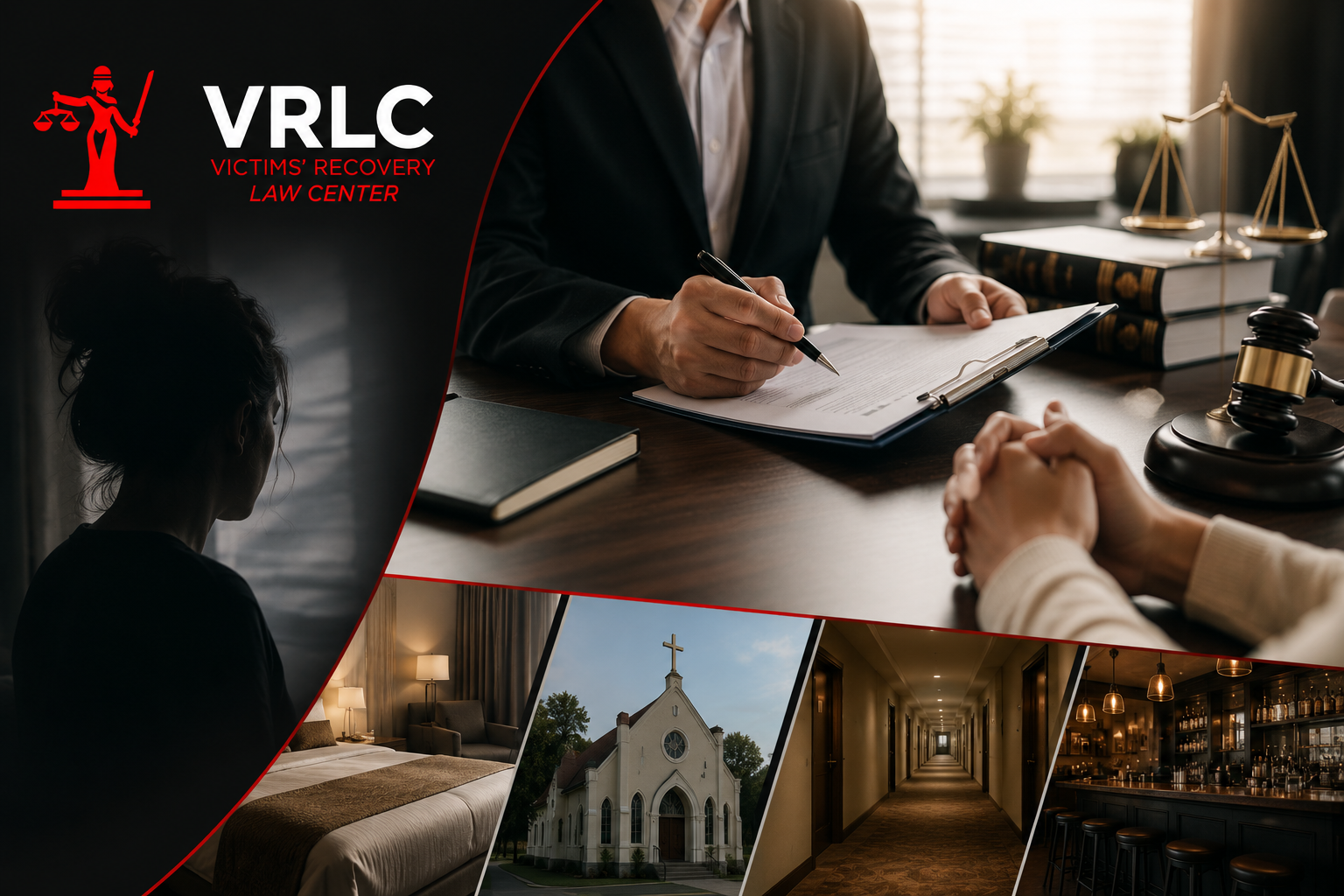
As more survivors seek information online, common questions include what a civil lawyer for rape victims can do. There may also be questions as to whether a survivor can sue for sexual assault, and who can be held responsible besides the attacker. These questions reflect a broader shift in awareness around civil legal options.
Civil Litigation: A Different Kind of Justice
"Criminal cases are about punishment. Civil cases are about accountability and recovery," said David P. Thiruselvam, founder of The Victims' Recovery Law Center. "Many survivors don't realize they can bring claims against institutions, businesses, or property owners that enabled the abuse."
The firm handles cases involving hotels and apartment complexes, religious institutions, childcare organizations, and retail and commercial properties.
Trauma-Informed Representation
The Victims' Recovery Law Center provides confidential, trauma-informed legal representation, recognizing that survivors require more than legal strategy; they need trust, discretion, and control over the process.
This approach has informed the firm's handling of complex sexual assault cases across a range of institutional settings.
Third-Party Liability in Sexual Assault Cases
A core focus of the firm is identifying third-party liability in sexual assault cases, meaning legal responsibility that extends beyond the individual perpetrator to the businesses, property owners, or institutions whose negligence created the conditions for harm.
In one representative case, two women were drugged by employees of a bar while attending an event at the venue. The employees drugged the patrons and then assaulted them on the premises. The Victims' Recovery Law Center investigated the matter and discovered that the conduct had occurred on more than one occasion. The firm filed a civil lawsuit against the bar on behalf of the victims, ultimately securing compensation for both women and contributing to the closure of the establishment.
This case illustrates how third-party liability operates in practice: even where the assault was carried out by individuals, the business that employed them, hosted the event, and failed to address a known pattern of predatory conduct bore independent legal responsibility for the harm.
Legal issues commonly arising in this area include negligent security, institutional failures, and oversight and supervision breakdowns. These are associated with questions such as who can be held liable in a sexual assault case, whether an institution can be sued for sexual assault, and whether a business can be held liable for sexual assault.
About The Victims' Recovery Law Center
The Victims' Recovery Law Center is a civil litigation firm dedicated exclusively to representing victims of violent crime and catastrophically injured plaintiffs. Founded in 2007, the firm handles complex, high-stakes cases involving third-party liability across Pennsylvania, New Jersey, and New York. David P. Thiruselvam is licensed to practice law in Pennsylvania, New York, and New Jersey and is a member of the Million Dollar Advocates Forum and the Multi-Million Dollar Advocates Forum.
Frequently Asked Questions
Q: What is a civil lawyer for sexual assault victims?
A civil lawyer for sexual assault victims represents survivors in lawsuits seeking financial compensation from the perpetrator and any third parties, such as institutions, businesses, or property owners whose negligence contributed to the harm. Legal claims rely on principles such as duty of care, negligent supervision, and institutional liability.
Q: Who can be held responsible besides the attacker in a sexual assault case?
Liability may extend to employers, property owners, bars, hotels, schools, or religious institutions that failed to prevent foreseeable harm. Where a business employed a perpetrator or hosted an event at which an assault occurred, it may face civil liability if it knew or should have known of the risk.
Q: Can an institution be sued for sexual assault?
Yes. Institutions can be held liable for breaching their duty of care by failing to supervise, screen, or respond to known risks. This applies to religious organizations, childcare providers, schools, and commercial businesses.
Q: What is third-party liability in sexual assault cases?
Third-party liability is legal responsibility assigned to entities other than the perpetrator, such as businesses or organizations whose negligence, including inadequate security or failure to act on prior reports, created conditions in which the assault could occur.
Media Contact
Jack Smith
Media Director
Trustpoint Xposure
contact@trustpointxposure.com
SOURCE: Victims' Recovery Law Center
View the original press release on ACCESS Newswire