Introduction
Bangladesh's digital payment ecosystem continued its rapid expansion throughout 2025 and 2026, reflecting the country's growing embrace of financial technology and cashless transactions. Industry estimates indicate that mobile financial service accounts exceeded 230 million registered accounts, while monthly transaction values reached record highs across merchant payments, fund transfers, utility bill payments, and online purchases. The widespread adoption of smartphones and improved internet connectivity have further accelerated the use of mobile money platforms such as bKash and Nagad, making digital payments a routine part of daily life for millions of consumers.
This growth is significant because a stronger digital economy creates benefits that extend beyond the financial sector. Efficient digital payment systems support e-commerce, encourage entrepreneurship, improve financial inclusion, and reduce transaction costs for businesses and consumers alike. As more economic activity shifts online, digital payment infrastructure has become a critical foundation for sustainable economic development, helping Bangladesh strengthen its position as one of South Asia's fastest-growing digital markets.
The Rise of bKash & Nagad
The expansion of Bangladesh’s fintech sector has been driven largely by the success of mobile financial service providers, particularly bKash and Nagad. Over the past decade, these platforms have transformed from simple money transfer services into comprehensive digital payment ecosystems. By 2026, they collectively serve tens of millions of active users, enabling everything from person-to-person transfers and bill payments to online shopping and merchant transactions. Their rapid growth reflects increasing consumer confidence in mobile money as a practical alternative to cash and traditional banking services.
Several factors have contributed to this adoption. High mobile phone penetration, improved internet access, and a significant unbanked population created favorable conditions for fintech innovation. Both bKash and Nagad capitalized on these trends by offering accessible, user-friendly services that require minimal banking infrastructure.
The impact on consumer behavior has been substantial. Digital wallets have made transactions faster and more convenient, encouraging consumers to make online purchases and use digital services more frequently. Cashless payments are now common across retail, transportation, and service sectors, reducing dependence on physical cash. As a result, consumer spending patterns have shifted toward mobile-first transactions, supporting the continued growth of Bangladesh’s digital economy and creating new opportunities for businesses operating online.
How Digital Wallets Enabled New Consumer Sectors
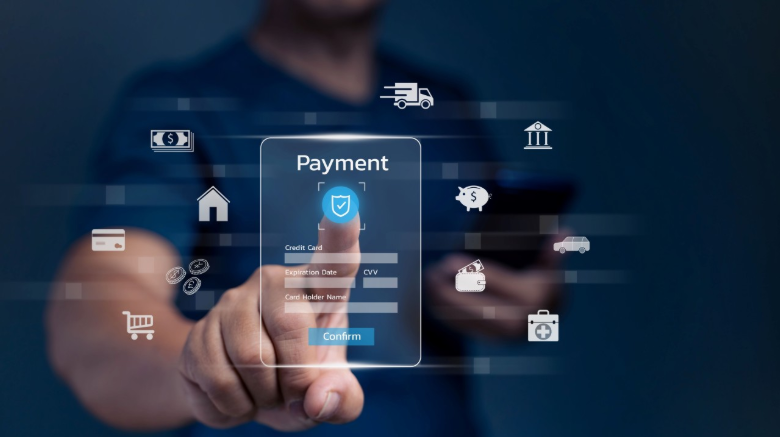
The widespread adoption of digital wallets has played a crucial role in the development of several consumer-driven sectors. By making payments faster, simpler, and more accessible, platforms such as bKash and Nagad have reduced many of the barriers that previously limited online transactions. As a result, businesses across multiple industries have been able to expand their reach and serve a growing digital customer base.
E-commerce has been one of the biggest beneficiaries of this transformation. Online retailers can now offer seamless payment options that allow consumers to complete purchases without relying on cash-on-delivery services. This convenience has increased consumer confidence in online shopping and encouraged more frequent digital transactions. Small and medium-sized enterprises have also gained access to wider markets through digital commerce platforms supported by mobile money.
Food delivery services have experienced similar growth. The ability to pay instantly through a mobile wallet has improved the customer experience while helping delivery platforms streamline operations and reduce cash-handling challenges. Likewise, ride-sharing companies have integrated digital payment solutions to provide faster and more efficient transportation services, making cashless travel increasingly common in urban areas.
Online entertainment platforms represent another sector that has benefited from digital wallet adoption. Consumers can now access subscription-based content, interactive digital experiences, and other entertainment services using familiar local payment methods. By eliminating payment friction and improving accessibility, digital wallets have enabled these platforms to attract broader audiences. This trend highlights how fintech innovation is not only transforming payments but also creating entirely new opportunities for consumer spending within its rapidly expanding digital economy.
Case Study: Entertainment Platforms in Bangladesh's Digital Economy
The growth of the digital economy has encouraged entertainment platforms to adapt to changing consumer preferences, particularly in the area of payments. As mobile wallets such as bKash and Nagad become increasingly embedded in everyday financial activity, digital service providers are recognizing the importance of offering payment methods that align with local consumer habits. This shift has helped reduce transaction barriers and improve accessibility for a broader audience.
CK44, a platform that has leveraged digital payment integration to support a more seamless user experience. By incorporating widely used mobile payment options, platforms can simplify transactions and make their services more accessible to consumers who may not use traditional banking products or international payment cards. This reflects a broader trend across the country 's digital marketplace, where local payment solutions are becoming a key factor in customer acquisition and retention.
The ability to complete transactions quickly through trusted mobile wallets has influenced how consumers engage with online entertainment services. Faster payments, improved convenience, and greater familiarity with digital financial tools have contributed to increased participation across various forms of online entertainment. For platform operators, integrating mobile money services can help improve transaction success rates while reducing friction during the payment process.
Consumers seeking information about digital entertainment services often rely on mobile-first channels and official websites to explore available features and payment options. Resource https://ck44official.com illustrates how platforms are using digital channels to connect with users in an increasingly mobile-driven economy. Overall, the integration of bKash and other mobile payment solutions highlights the growing relationship between fintech innovation and digital consumer markets.
Financial Considerations for Digital Consumers
As digital payments become increasingly integrated into everyday life, consumers must pay greater attention to financial management and security. The convenience of mobile wallets can encourage more frequent transactions, making budget management an important aspect of responsible digital spending. Many fintech applications now provide transaction histories and spending summaries that help users track expenses, monitor recurring payments, and maintain better control over their finances. Using these tools can help consumers avoid unnecessary spending and make more informed financial decisions.
Security best practices are equally important in a growing digital economy. Consumers should use strong passwords, enable two-factor authentication when available, and regularly review account activity for unauthorized transactions. Avoiding public Wi-Fi networks for financial transactions and keeping mobile applications updated can further reduce cybersecurity risks. As digital payment usage grows, awareness of online fraud and phishing attempts remains essential.
The regulatory landscape also plays a critical role in protecting consumers and maintaining trust in the fintech ecosystem. The bank continues to strengthen oversight of mobile financial services through regulations focused on consumer protection, anti-money laundering compliance, and transaction security. These measures help ensure that digital payment platforms operate responsibly while supporting continued innovation. A balanced regulatory framework is expected to remain essential as the digital economy continues to expand.
Future Outlook 2026–2027
The outlook for the digital payment sector remains highly positive through 2026 and 2027. Continued smartphone adoption, expanding internet access, and ongoing fintech innovation are expected to drive further growth in mobile money transactions. As consumers become increasingly comfortable with digital payments, businesses across multiple sectors are likely to accelerate their digital transformation efforts.
Future developments may include broader merchant acceptance of mobile wallets, enhanced interoperability between payment providers, and greater integration of financial services into e-commerce and entertainment platforms. Advances in artificial intelligence and data analytics could also improve fraud detection and customer experiences. The continued expansion of digital payments represents an important opportunity to strengthen financial inclusion, support economic growth, and further develop its digital economy.
Conclusion
The rise of bKash and Nagad demonstrates how fintech innovation can reshape consumer spending and accelerate economic modernization. By making mobile money accessible to millions of users, these platforms have helped drive growth across e-commerce, food delivery, ride-sharing, and online entertainment sectors. Their success highlights the importance of efficient digital payment infrastructure in supporting a thriving digital economy. As technology adoption continues to increase and regulatory frameworks evolve, It is well positioned to strengthen its role as one of South Asia’s leading digital markets, with digital payments remaining a key driver of future consumer and business activity.