Comfort Conditioning has announced the expansion of its commercial HVAC maintenance services across North Texas as businesses prepare for the seasonal transition from extended summer cooling demands to the start of the heating season. The operational expansion is designed to support commercial property owners, facility managers, office buildings, retail centers, industrial facilities, healthcare offices, educational campuses, and other commercial properties seeking consistent preventive maintenance for heating and cooling systems. The announcement comes at a time when HVAC equipment throughout North Texas has operated continuously at high temperatures for months, underscoring the importance of scheduled inspections and maintenance before seasonal operating conditions change.
The expansion reflects an increased focus on preventive maintenance strategies to help commercial HVAC systems continue operating efficiently as cooling loads decline and heating equipment prepares for increased use. Throughout late summer, commercial air conditioning systems often accumulate wear associated with extended operating cycles, heavy occupancy demands, and elevated outdoor temperatures. Transitioning into early fall provides an opportunity for businesses to evaluate equipment performance, inspect critical components, replace worn parts when appropriate, and identify developing issues before colder weather arrives. Expanded commercial HVAC maintenance services are intended to support this transition through scheduled inspections, performance evaluations, filter replacement, electrical testing, lubrication of moving components, thermostat verification, airflow assessments, and routine system adjustments that contribute to reliable operation throughout the changing seasons.
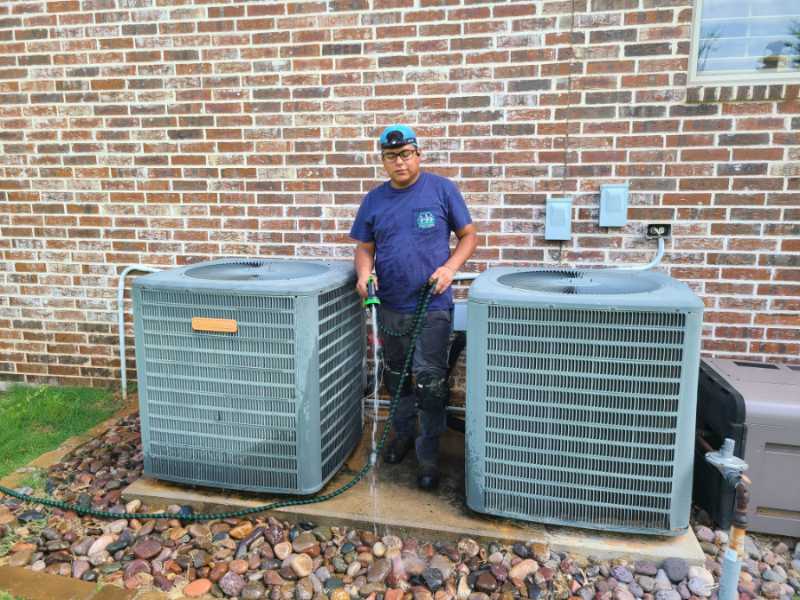
Commercial facilities frequently depend on complex HVAC systems to maintain indoor comfort, protect equipment, support employee productivity, and provide stable environmental conditions for customers and occupants. Preventive maintenance plays an important role in reducing unexpected equipment failures by identifying developing mechanical or electrical concerns before they progress into larger operational disruptions. Regular commercial HVAC maintenance also provides opportunities to verify refrigerant performance, inspect blower assemblies, examine condensate drainage, test safety controls, evaluate electrical connections, and review overall system performance. These maintenance activities contribute to improved operational reliability while supporting facility planning and long-term equipment management.
A spokesperson for Comfort Conditioning stated that the expansion responds to increasing demand from businesses seeking structured maintenance programs tailored to commercial facilities of varying sizes and operational requirements. According to the company, expanded scheduling capacity and service availability are intended to accommodate businesses preparing HVAC equipment for the seasonal transition while minimizing interruptions to daily operations.
“Commercial HVAC systems often experience their highest workload during the Texas summer, making late summer and early fall one of the most practical times to evaluate equipment condition before the heating season begins,” said Kanon Van Guilder, owner of Comfort Conditioning in Krum TX. “The expansion of commercial HVAC maintenance services allows additional businesses throughout North Texas to schedule preventive inspections, identify maintenance needs early, and prepare their systems for reliable performance during the months ahead.”
Commercial HVAC maintenance differs from emergency repair by emphasizing planned inspections and ongoing equipment care rather than responding after failures occur. Maintenance programs generally involve recurring service visits that allow technicians to monitor system performance over time, document equipment conditions, identify changes in operating characteristics, and recommend maintenance based on manufacturer specifications and observed equipment performance. Establishing consistent maintenance schedules may also assist facility managers in planning budgets, coordinating service activities, and reducing the likelihood of unexpected operational interruptions.
As commercial properties continue operating year-round, HVAC equipment remains one of the most heavily utilized building systems. Cooling equipment may run continuously during periods of sustained high temperatures, while heating equipment often experiences increased demand as outdoor temperatures decline later in the year. Transitional maintenance performed between these operating seasons provides opportunities to inspect components associated with both cooling and heating functions, ensuring that each system is prepared for upcoming operating conditions.
Comfort Conditioning indicated that expanded commercial HVAC maintenance services include support for a broad range of commercial applications across North Texas. Maintenance procedures may involve inspections of rooftop units, split systems, packaged systems, heat pumps, furnaces, air handlers, ventilation components, thermostatic controls, electrical systems, belts, motors, coils, filters, and other mechanical equipment commonly found in commercial buildings. Individual maintenance plans may be developed according to equipment configuration, building size, occupancy schedules, operational priorities, and manufacturer recommendations.
“Every commercial facility operates differently, which means maintenance schedules should reflect actual operating conditions rather than a one-size-fits-all approach,” Van Guilder said. “Routine inspections provide valuable information that allows maintenance decisions to be based on equipment condition, seasonal requirements, and long-term operational planning.”
The operational expansion also reflects the increasing emphasis many businesses place on preventive facility management. Scheduled commercial HVAC maintenance provides documented service histories that may assist property managers in monitoring equipment performance across multiple service visits. Maintenance documentation can also support long-term planning for component replacement, equipment upgrades, capital budgeting, and lifecycle management as systems continue aging through years of operation.
Commercial buildings throughout North Texas often encounter environmental conditions that place additional demands on HVAC systems, including extended cooling seasons, airborne dust, fluctuating humidity levels, and changing occupancy patterns. Routine inspections performed throughout the year help evaluate the cumulative effects of these operating conditions while allowing maintenance personnel to address normal wear before larger mechanical concerns develop. Preventive service may also include verification that airflow remains balanced, filters remain unobstructed, electrical components continue operating safely, and mechanical assemblies function according to intended specifications.
Comfort Conditioning stated that expanding commercial HVAC maintenance services also increases scheduling flexibility for businesses seeking maintenance during the late summer and early fall preparation period. Planning maintenance before the heating season allows facilities additional time to complete recommended repairs, order replacement components when necessary, and coordinate service around business operations without waiting until colder temperatures arrive.
“Preventive maintenance is most effective when it becomes part of a consistent operational strategy rather than a reaction to equipment failure,” Van Guilder said. “Scheduling service during the seasonal transition allows businesses to evaluate system performance while operating conditions remain favorable for inspection and maintenance activities.”
Commercial HVAC maintenance may also contribute to identifying operational inefficiencies that develop gradually over time. Dirty coils, worn belts, aging electrical components, restricted airflow, thermostat calibration issues, and declining mechanical performance may not always produce immediate equipment failures but can affect overall system operation if left unaddressed. Routine maintenance inspections provide opportunities to identify these conditions before they influence occupant comfort or require more extensive corrective work.
The expanded service area enables Comfort Conditioning to support a wider range of commercial clients throughout North Texas while continuing to provide scheduled maintenance for existing customers. Businesses operating office complexes, medical facilities, educational institutions, manufacturing buildings, retail developments, restaurants, professional offices, warehouses, and multi-use commercial properties may benefit from maintenance schedules designed around their operating hours and equipment requirements. Seasonal inspections also assist businesses preparing facilities for occupancy changes, operational growth, or anticipated increases in building usage during the fall and winter months.
Comfort Conditioning noted that proactive maintenance remains an important component of broader facility management practices because HVAC systems directly influence indoor environmental conditions across virtually every commercial property. Routine inspections, documented maintenance records, and scheduled servicing contribute to ongoing equipment evaluation while supporting informed maintenance planning over the life of commercial heating and cooling systems.
Additional information about Comfort Conditioning and its commercial HVAC maintenance services is available through the company website at https://comfortconditioning.com/
###
For more information about Comfort Conditioning, contact the company here:
Comfort Conditioning
Kanon Van Guilder
(469) 277-7886
admin@comfortconditioning.com
15076 US Hwy 380 W, Sut. D1
Krum, TX 76249