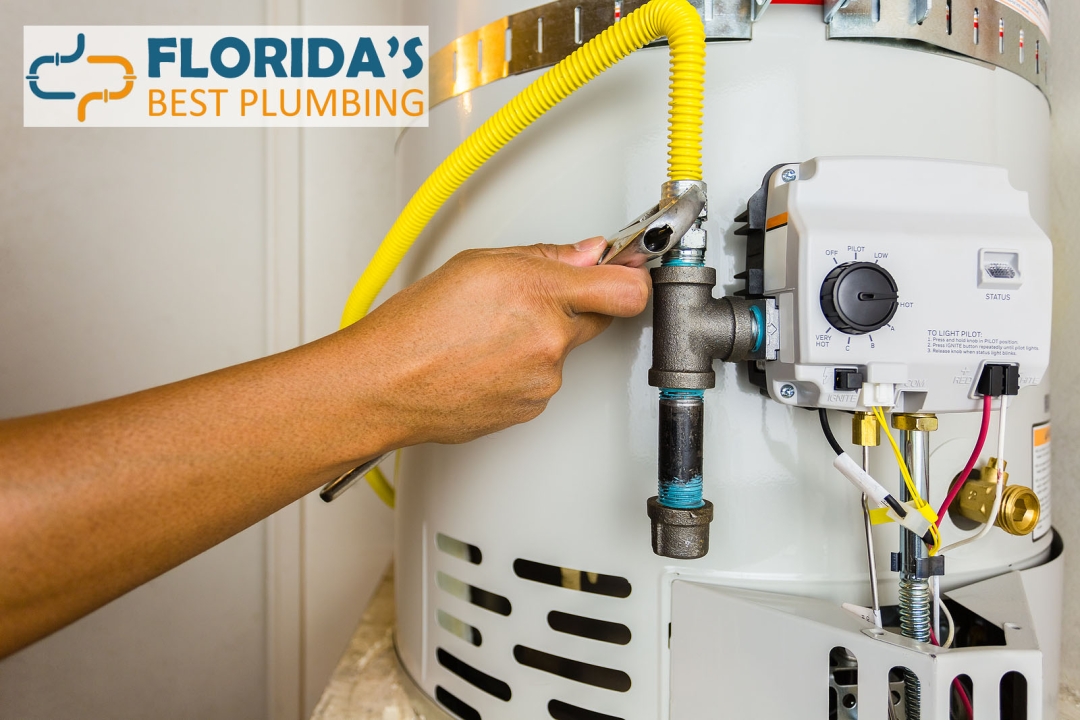
WINTER GARDEN, FL - As Central Florida homeowners face rising demand for reliable hot water systems amid 2026’s updated federal efficiency standards, Florida Best 24/7 Emergency Best Plumbing LLC announces expanded emergency and scheduled water heater replacement services throughout Horizon West, Winter Garden, and surrounding Orange County communities.
Immediate Help: When You Need Emergency Water Heater Replacement Now
When a water heater fails suddenly at night or on a weekend in Horizon West or Winter Garden, FL, homeowners need immediate access to professional plumbing services. A failed unit can quickly escalate from inconvenience to costly water damage or safety hazard.
Warning signs that require immediate replacement:
-
No hot water output despite normal power and fuel supply
-
Tank leaking from the bottom, indicating internal corrosion
-
Rust-colored water flowing from hot water lines
-
Strong gas smell near the unit (evacuate and call 911 first)
-
Breaker that trips repeatedly when the heater attempts to run
-
Loud banging or popping noises from sediment buildup and thermal expansion
Immediate safety steps if active leaking or burning smell occurs:
-
Shut off the cold water supply valve at the heater or main house shutoff
-
Kill power at the 240V breaker for electric units
-
Close the gas shutoff valve for natural gas or propane units
-
Do not attempt DIY repairs on a failing unit
If you need to drain the tank, open a hot water faucet to break the vacuum inside the tank. This helps the water drain smoothly and prevents air lock.
Florida Best 24/7 Emergency Best Plumbing LLC offers same-day and true 24/7 emergency water heater replacement in Horizon West and Winter Garden, including nights, weekends, and holidays.
Call (407) 683-6644 for live dispatch around the clock. Industry data shows 70% of water heater leaks occur during off-hours, making rapid response critical to preventing $5,000+ in water damage claims.
Selecting a New Water Heater for Your Central Florida Home
Proper water heater selection directly affects household comfort, monthly energy bills, and unit lifespan. In Florida’s year-round hot water demand climate, choosing the right replacement requires more than matching the old tank size.
-
Size the new heater based on number of occupants, bathrooms, and simultaneous uses—not just the previous unit capacity
-
Common local installations: 40-gallon tanks for 1-2 person households, 50-gallon for 3-4 person families, and 60-75 gallon units for households with 5+ occupants
-
Check first-hour rating (FHR) and recovery rate for busy families running multiple morning showers plus appliances
-
ENERGY STAR and high-efficiency models with UEF ratings of 3.0+ can reduce annual water heating costs by 30-50% in warm climates
-
Heat pump water heaters achieve 200-300% efficiency in Florida garages compared to standard electric tanks
Florida Best 24/7 Emergency Best Plumbing LLC helps customers compare brands, sizes, and energy efficient models during on-site estimates tailored to household demand.
Types of Water Heaters: Which Replacement Makes Sense in 2026?
Before committing to a replacement, homeowners should understand the main categories available in 2026. Upgrading from an older, inefficient tank can create significant cost savings over the unit’s lifespan.
-
Conventional tank water heaters (gas and electric): Most common in Central Florida homes. Pros include lower upfront cost ($1,200-2,500 installed) and straightforward replacement. Cons include 20% standby heat loss and 8-12 year typical lifespan. Electric units use dual heating elements consuming approximately 4,500 kWh annually.
-
Heat pump (hybrid) electric water heaters: Increasingly popular in 2026 due to federal efficiency mandates. These units extract heat from ambient air in warm Florida garages, achieving UEF ratings of 3.5-4.0. Utility rebates up to $1,200 may be available in Orange County. Higher upfront cost ($2,500-4,500) but $500+ annual savings on electricity.
-
Tankless water heaters (on-demand): Ideal for households wanting endless hot water and space savings. Gas tankless units require proper gas line sizing (3/4-inch minimum) and venting to exterior. Installation runs $3,500-6,000. Flow rates may decrease without regular descaling in hard water areas.
-
Point-of-use and under-sink units: Niche solutions for remote bathrooms or detached garages. These 2-5 gallon minis supplement but do not replace main household heaters.
Switching types—tank to tankless, electric to gas, or vice versa—often requires permits, new venting, and electrical work or gas upgrades best handled by a licensed plumber.
Heat Pump Water Heaters: The Future of Efficient Hot Water
Heat pump water heaters are quickly becoming the top choice for homeowners seeking maximum energy efficiency and cost savings. Unlike traditional electric or gas water heaters that generate heat directly, heat pump water heaters use advanced technology to extract heat from the surrounding air and transfer it into the water tank. This process can be two to three times more efficient than standard electric models, making it an ideal solution for Florida’s warm climate.
These units are especially effective in garages or utility rooms where ambient air temperatures stay above 55°F, allowing the heat pump to operate at peak efficiency year-round. Homeowners benefit from lower electricity usage, reduced utility bills, and eligibility for utility rebates that can offset the higher upfront cost. Over time, the savings on energy bills can quickly add up, making heat pump water heaters a smart investment for those looking to save money and reduce their environmental footprint.
In addition to their impressive efficiency, heat pump water heaters are designed to provide enough hot water for busy households, even during periods of high demand. With proper installation and regular maintenance, these systems deliver reliable hot water while helping homeowners maximize efficiency and enjoy long-term cost savings.
Key Selection Criteria: Capacity, Efficiency, and Local Codes
Beyond tank size, homeowners should factor in efficiency ratings, fuel source, installation location, and Orange County code requirements.
-
Compare Uniform Energy Factor (UEF) ratings: 2026 baselines require UEF ≥2.0 for electric tanks, ≥3.3 for hybrids, and ≥0.87 for tankless gas units
-
Climate and installation location affect performance—garages suit heat pump units requiring 55°F+ ambient air, while attic installations need drain pans and proper venting for condensation management
-
Orange County codes require thermal expansion tanks on closed plumbing systems, T&P relief valve discharge piping to safe exterior locations, and permits for fuel type changes
-
Consider future hot water demand when choosing capacity—adding bathrooms, showers, or soaking tubs increases requirements beyond simply replacing a similar unit
-
Hard water conditions (10-15 grains per gallon locally) necessitate magnesium anode rod selection over aluminum-zinc for corrosion resistance
Florida Best 24/7 Emergency Best Plumbing LLC checks permitting needs, obtains required permits, and installs to code and manufacturer specifications throughout Horizon West and Winter Garden.
Hot Water Usage Patterns: Matching Your Needs to the Right System
Every household has unique hot water needs, and choosing the right water heater starts with understanding your family’s usage patterns. Factors like the number of people in your home, the number of bathrooms, and how often you run showers, laundry, and dishwashers all play a role in determining the best system for you.
For smaller households or those with lower hot water demand, a standard tank water heater may be sufficient and cost-effective. Larger families or homes with multiple bathrooms often benefit from higher-capacity tanks or tankless water heaters, which can provide continuous hot water for simultaneous showers and appliances. If your household frequently uses hot water at the same time—such as back-to-back showers in the morning or running the dishwasher while doing laundry—a tankless or heat pump water heater can help ensure you never run out.
Assessing your daily routines and peak usage times will help you select a water heater that matches your lifestyle, maximizes efficiency, and provides enough hot water for everyone in your home. Consulting with a professional plumber can also help you evaluate your options and choose a system that fits your needs and budget.
Fuel Types, Availability, and Operating Costs in Horizon West & Winter Garden
Fuel type directly impacts both upfront installation cost and long-term monthly utility bills. Homeowners should evaluate different types of fuel sources available in their neighborhood.
-
Electric water heaters: Most common in newer Horizon West and Winter Garden neighborhoods. Powered by Duke Energy/FPL grids at $0.13-0.15/kWh. No venting required for standard tanks, but higher annual operating costs (~$450/year for 50-gallon units).
-
Natural gas water heaters: Available where City of Winter Garden gas lines exist. Faster recovery rates (40-50 GPH vs. 20-30 GPH electric) and lower operating costs (~$250/year). Requires proper venting and combustion air supply.
-
Propane water heaters: Suitable for rural lots with 250-500 gallon propane tanks. Similar recovery rates to natural gas but variable fuel pricing.
-
Conversion considerations: Switching from electric to gas requires new gas lines, venting penetrations, and updated shutoff valves. Gas to electric conversions need 30A 240V circuits. Conversions typically add $1,500-3,000 to project cost.
Florida Best 24/7 Emergency Best Plumbing LLC provides side-by-side fuel cost comparisons during in-home consultations to help homeowners maximize efficiency and save money long-term.
Permits and Regulations for Water Heater Replacement in Central Florida
Replacing a water heater in Central Florida isn’t just about choosing the right unit—it also means following local permits and regulations to ensure safety and compliance. Both Horizon West and Winter Garden, along with the rest of Orange County, require permits for water heater replacement, regardless of whether you’re installing a similar unit or upgrading to a new technology like a heat pump or tankless water heater.
Local codes specify important requirements, such as proper venting for gas and tankless units, installation of thermal expansion tanks, and correct discharge piping for temperature and pressure relief valves. Electrical and gas line upgrades must meet current safety standards, and all work must be inspected by local authorities to protect your home and maintain insurance coverage.
Professional plumbers are familiar with these regulations and handle the permitting process from start to finish, ensuring your new water heater is installed safely and up to code. This not only protects your investment but also provides peace of mind that your hot water system will operate reliably for years to come.
Comparing Total Costs of Water Heater Replacement in 2026
Water heater replacement costs in 2026 reflect 5-7% increases from 2024 due to rising material and labor prices. Homeowners should understand all cost components before approving work.
Typical cost elements include:
-
Equipment (tank or tankless unit): 40-60% of total cost
-
Removal and disposal of old heater: $100-500
-
Materials (valves, expansion tank, pan, connectors, copper pipes, teflon tape): $300-1,500
-
Labor: $150-450 for tank replacements, $600-1,900 for tankless
-
Permit and inspection fees: $50-300 (Orange County averages ~$100)
2026 cost ranges:
-
Standard 40-50 gallon tank replacement: $1,200-2,500
-
Heat pump hybrid installation: $2,500-4,500
-
Tankless gas or electric: $3,500-6,000
-
Emergency after-hours replacements: Add 20-50% premium ($500-1,500)
Factors that increase costs:
-
Relocating the water heater to a different room ($1,000-3,000)
-
Upgrading electrical service for heat pump or tankless units
-
Rerouting gas lines or water lines
-
Opening walls for venting changes
-
Hard water pre-treatment systems ($300+)
Florida Best 24/7 Emergency Best Plumbing LLC provides clear, written estimates before starting work so homeowners know what to expect. Emergency replacements may cost more but prevent significant water damage and extended downtime.
Saving Money on Water Heater Replacement: Tips and Strategies
Water heater replacement is a significant investment, but there are several ways homeowners can save money both upfront and over the life of the unit. Start by researching available rebates and incentives for energy efficient models, such as heat pump water heaters, which can significantly reduce your initial cost. Many utility companies in Central Florida offer rebates for upgrading to high-efficiency systems.
Comparing quotes from multiple licensed plumbers ensures you get the best value for installation and materials. Opting for energy efficient water heaters may have a higher upfront cost, but they deliver substantial savings on monthly utility bills thanks to lower energy consumption. Regular maintenance, such as flushing the tank and inspecting the anode rod, helps prevent costly repairs and extends the life of your water heater, maximizing your investment.
Finally, consider the long-term benefits of choosing the right size and type of water heater for your household’s needs. A properly sized, energy efficient unit will provide enough hot water while minimizing waste and operating costs, helping you save money year after year.
DIY vs Professional Water Heater Replacement
Some homeowners consider DIY replacement after reading online guides, but safety, code compliance, and insurance implications make professional installation the preferred choice for most consumers.
What DIY guides typically cover:
-
Disconnecting and draining old tank
-
Connecting new unit to existing water lines and making proper water and electrical connections
-
Basic electrical and plumbing connections using two pipe wrenches
Specific hazards of DIY installation:
-
Electric shock from 240V circuits (lethal current levels)
-
Gas leaks from improperly sealed connections (CPSC data shows 5-10% amateur fitting failure rate)
-
Carbon monoxide poisoning from incorrect venting (causes ~400 U.S. deaths annually)
-
Water damage from unnoticed small drip at fittings
-
Voided manufacturer warranties from improper installation
Using flexible water heater connectors can simplify installation and save time compared to soldering rigid pipes.
Always use new supply lines when connecting water lines to a new water heater to ensure a proper seal and prevent leaks.
A Temperature and Pressure Relief (T&P) Valve must be installed on the new water heater to prevent dangerous pressure buildup.
Code and insurance considerations:
-
Florida requires permits and inspections for water heater replacements
-
Improper DIY work creates issues at resale and may void homeowner insurance claims
-
Orange County Building Division enforces FBC Section P2903 requirements
Before starting the installation, turn off the power at your electrical panel and shut off your home's main water supply.
DIY steps typically include:
-
Disconnecting and draining the old water heater
-
Removing the old unit
-
Positioning the new water heater
-
Connecting water and electrical lines, ensuring all connections are secure and leak-free
-
Installing the T&P valve and venting (for gas units)
-
Refilling and testing the new unit
Water heaters can weigh several hundred pounds, so it's advisable to have a helper and use an appliance dolly or hand truck for moving them.
You will need two pipe wrenches, Teflon tape, and foil tape for the flue when replacing a gas-fired water heater.
Benefits of licensed professional installation:
-
Correct sizing based on household demand
-
Code-compliant work meeting local requirements
-
Manufacturer warranty protection
-
Safe gas and electrical work
-
Proper disposal of old units per EPA guidelines
-
Professional plumbers bring the resources—qualified staff, specialized tools, and experience—needed to ensure safe, code-compliant, and high-quality water heater installation.
Most Horizon West and Winter Garden residents choose professional installation for peace of mind, especially for gas, tankless, or heat pump units where complexity increases risk.
Post-Installation Best Practices and Maintenance
Regular maintenance helps extend a water heater’s life from 8-10 years toward 12-15 years, depending on water quality and usage patterns in Central Florida’s hard water conditions.
-
Semiannual tank flushing: Removes 1-2 inches of sediment buildup common in hard water areas, restoring 10-20% efficiency and reducing banging noises from thermal expansion
-
Anode rod inspection: Check every 2-4 years and replace when sacrificial rod shows significant corrosion—prevents tank deterioration in many areas with mineral-heavy water
-
Temperature settings: Manufacturers typically ship units at 120°F, balancing comfort and scald protection while optimizing cooling of standby losses; higher temperatures require mixing valves
-
Monthly visual checks: Inspect for rust, moisture around fittings, and damp areas near the tank to catch small leaks before they create water damage
-
Pressure relief valve testing: Annual testing ensures the T&P valve functions properly at rated pressure levels
Florida Best 24/7 Emergency Best Plumbing LLC schedules maintenance visits, inspects for code issues, and adjusts settings to optimize performance for local homes.
Frequently Asked Questions About Water Heater Replacement
Common homeowner questions about timing, permits, and choosing the right installer vary depending on household needs and existing infrastructure.
-
Expected lifespan: Standard tank units last 8-12 years, tankless water heaters 20+ years, and heat pump hybrids 10-15 years. Replace rather than repair when age exceeds 10 years and repair costs exceed $500.
-
Permit requirements: Horizon West (unincorporated Orange County) and Winter Garden (municipal) require permits for water heater replacements. Florida Best 24/7 Emergency Best Plumbing LLC handles permitting and coordinates inspections.
-
Installation timeline: Standard tank replacements typically complete same-day within 4-8 hours. Homes remain without hot water for 2-4 hours during the swap with proper bypass procedures.
-
Upgrading size or type: Homeowners can increase capacity or switch to a new water heater type during replacement. Electrical or gas changes require load calculations and may need additional permits.
-
Warranty coverage: Manufacturer warranties typically cover tank leaks 6-12 years, parts 1-5 years. Workmanship warranties from installers cover labor 1-2 years. Proper professional installation preserves warranty validity.
About Florida Best 24/7 Emergency Best Plumbing LLC
Florida Best 24/7 Emergency Best Plumbing LLC is a family owned business serving Horizon West and Winter Garden, FL, specializing in emergency and same-day water heater replacement for residential customers throughout Orange County.
Key services include water heater replacement and install for tank, tankless, and heat pump water heater options, emergency leak response, and general residential plumbing repairs. The company maintains 24/7 availability with rapid local response and commitment to code-compliant, manufacturer-approved installation methods.
Florida Best 24/7 Emergency Best Plumbing LLC provides clear estimates, explains water heater options in plain language, and prioritizes safety and long-term reliability. The company serves as a community resource for homeowners seeking to purchase reliable hot water systems with professional support.
Website: https://floridabestplumbingllc.com Phone: (407) 683-6644
Media ContactCompany: Florida Best 24/7 Emergency Best Plumbing LLC Phone: (407) 683-6644 Website: https://floridabestplumbingllc.com
Media Contact
Company Name: Florida Best Plumbing LLC
Contact Person: Arthuro Ocanto
Email: Send Email
Phone: (407) 683-6644
City: Orlando
State: FL
Country: United States
Website: https://floridabestplumbingllc.com